Daily News

Image

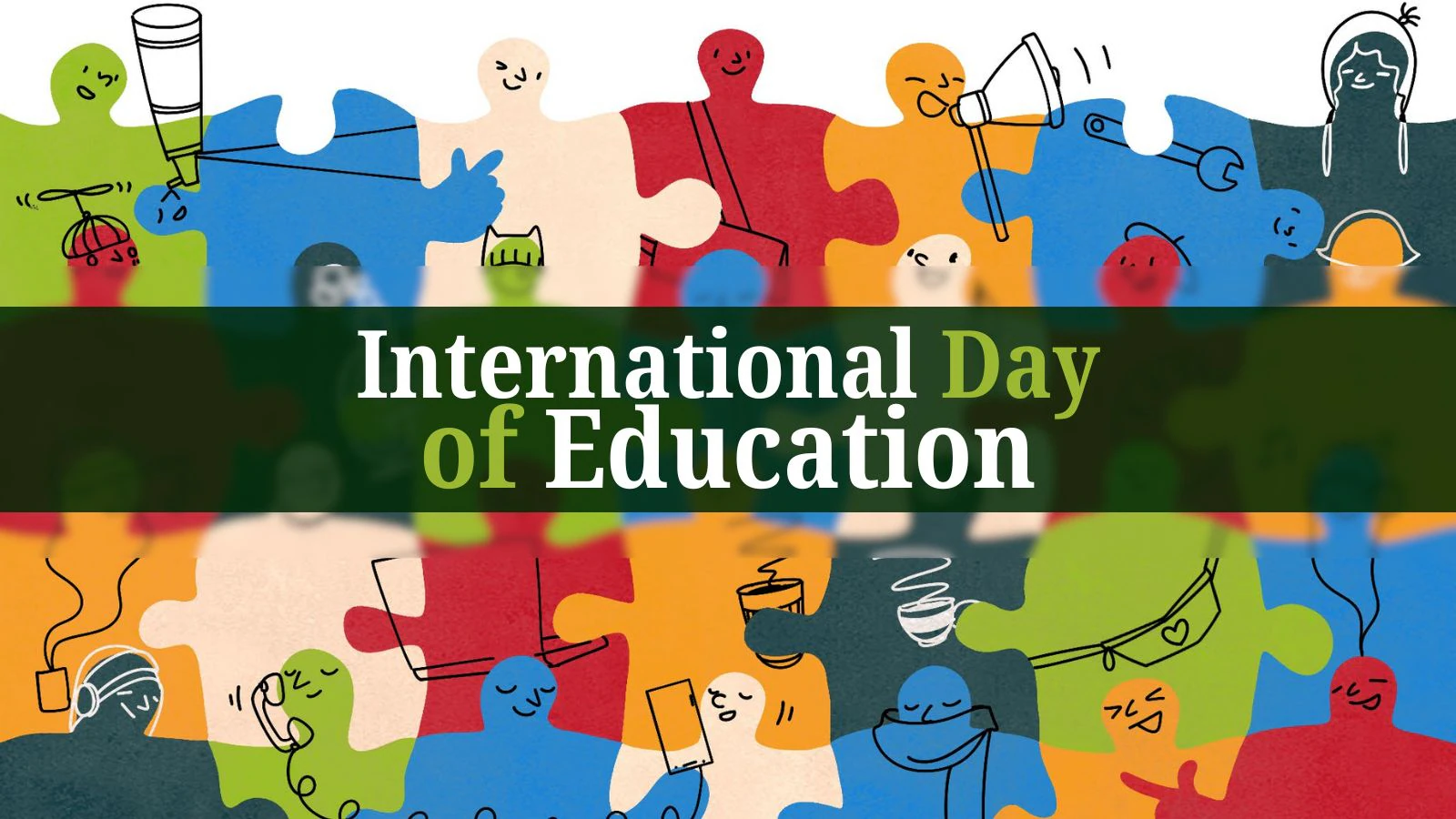
International Day of Education | 24 January

Education is a human right, a public good and a public responsibility. The United Nations General Assembly proclaimed 24 January as International Day of Education, in celebration of the role of education for peace and development. The right to education is enshrined in Article 26 of the Universal Declaration of Human Rights.

Did you Know

Image

International Day of Education | 24 January

Declaration calls for free and compulsory elementary education. The Convention on the Rights of the Child, adopted in 1989, goes further to stipulate that countries shall make higher education accessible to all. Sustainable Development Goal 4,in particular, aims to “ensure inclusive and equitable quality education and promote lifelong learning opportunities for all” by 2030

Did you Know

Image

National Girl Child Day | 24 January

National Girl Child Day is celebrated annually in India on January 24, dedicated to highlighting the rights, education, health, nutrition, and overall welfare of girls. Initiated in 2008 by the Ministry of Women and Child Development (MWCD), the day serves as a platform to raise awareness about gender discrimination and promote equal opportunities.

Did you Know

Image

National Girl Child Day: Progress, Initiatives, and Achievements in Girl Empowerment

National Girl Child Day provides an opportunity to address persistent inequalities faced by girls, including gender biases, female foeticide, challenges related to the child sex ratio, child marriage, and barriers to education and health.

Did you Know

Image

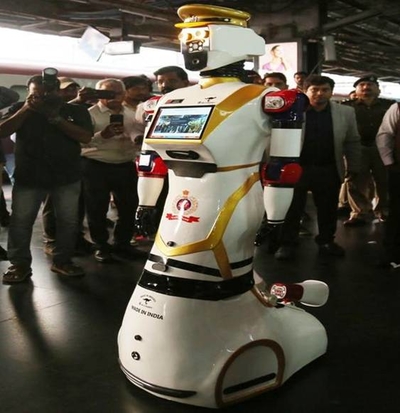
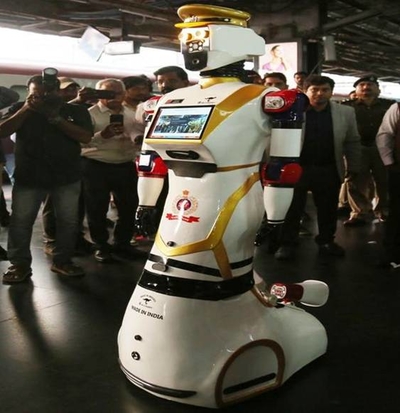
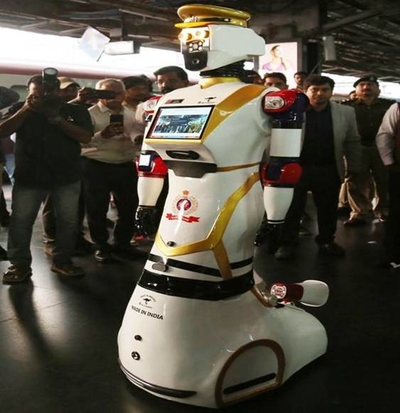
Indian Railways Deploys Humanoid Robot ‘ASC ARJUN’ at Visakhapatnam Railway Station

In a significant step towards improving passenger safety, security and service delivery, Indian Railways has introduced a humanoid robot named “ASC ARJUN” at Visakhapatnam Railway Station. This deployment marks a 1st-of-its-kind initiative on the Railways network. It reflects the organisation’s commitment to adopting new and emerging technologies for public convenience.

Did you Know

Image

Indian Railways Deploys Humanoid Robot ‘ASC ARJUN’ at Visakhapatnam Railway Station

ASC ARJUN has been fully designed and developed in Visakhapatnam using home-grown technology. A dedicated team worked continuously for more than a year to bring this project to fruition, demonstrating Indian Railways’ growing capabilities in integrating advanced systems into day-to-day operations.

Did you Know

Image

Indian Railways Deploys Humanoid Robot ‘ASC ARJUN’ at Visakhapatnam Railway Station

The humanoid robot is equipped to assist in intrusion detection through Face Recognition System (FRS), AI-based crowd monitoring, and real-time alerts to RPF control rooms. It can make automated public announcements in English, Hindi and Telugu, helping guide passengers and improve awareness on safety and security matters.

Did you Know

Image

Arijit Basu quits HDB Financial, appointed chairman of IndusInd Bank

IndusInd Bank said Sunil Mehta will cease to be its part-time chairman and director upon completion of his tenure on January 30, and that the bank has appointed Arijit Basu to the position, effective January 31, following approval from the Reserve Bank of India (RBI).

Did you Know

Image

Arijit Basu quits HDB Financial, appointed chairman of IndusInd Bank

He currently serves as an independent director on the boards of Prudential Plc, Peerless Hospitex and Hospital Research Centre, and CleanMax Enviro Energy Solutions.

Did you Know

Image

India 8th among 11 countries in investment in AI: WEF

India was ranked eighth among 11 countries based on their historical accumulated investments in the artificial intelligence (AI) ecosystem between 2010 and 2024, which were converted as a percentage of their respective gross domestic products (GDPs) for 2024. The US and Singapore took the top honours.

Did you Know

Image

India 8th among 11 countries in investment in AI: WEF

A white paper — “Rethinking AI Sovereignty” — released by World Economic Forum (WEF) in Davos a few days ago in collaboration with Bain & Co, says that India’s accumulated investments since 2010 accounted for 1.2-1.8 per cent of its 2024 GDP, compared to the US at 3.4-5.1 per cent, Singapore at 3.1-4.6 per cent, South Korea at 2.2-3.3 per cent, and China at 1.7-2.6 per cent

Did you Know

Image

India 8th among 11 countries in investment in AI: WEF

Countries or regions which performed lower than India include Europe (excluding the UK), and Brazil. Countries above India include the UAE, Japan, Canada, and the UK. While the rest of the world collectively was nearly on a par with India, a bulk of the investments was in hardware, driven by just two companies — TSMC and UMC.

Did you Know

Image

Gujarat, Odisha power discoms lead this year's performance rankings

Gujarat’s power distribution utilities emerged as top performers in the 14th Integrated Rating and Ranking Report released by the power ministry. Four of the state discoms in Gujarat have made it to the top 10. Odisha’s private utilities are also among the best performers. The rankings cover 65 of the total 72 public and private power utilities, and power departments.

Did you Know

Image

Gujarat, Odisha power discoms lead this year's performance rankings

This year, 31 utilities have been rated as A+ or A. Among the utilities that have been rated, 44 are state-owned discoms,12 are private discoms, and 11 are power departments.

Meanwhile, 22 utilities,including 18 discoms and 4 power departments in Punjab, Uttar Pradesh, Bihar, Chhattisgarh, West Bengal, Himachal Pradesh, Meghalaya, Tamil Nadu, and Maharashtra have upgraded

Did you Know

Image

Gujarat, Odisha power discoms lead this year's performance rankings

The power ministry’s rating report also pegged the accumulated losses of discoms at Rs. 6.47 trillion and total borrowings at Rs. 7.26 trillion at the end of financial year 2024-25. In the previous fiscal (2023-24), the accumulated losses stood at Rs. 6.91 trillion and the discoms had total borrowings of Rs. 7.58 trillion.

Did you Know

Image

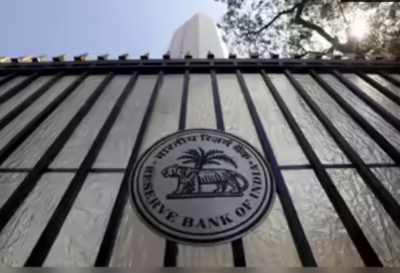
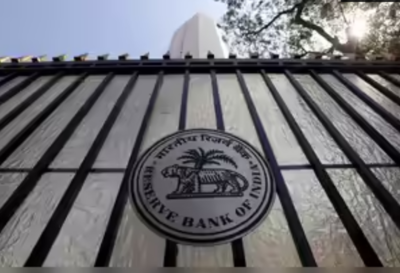
Reserve Bank of India moves to inject over Rs 2 lakh crore into banking system

Reserve Bank of India announced a series of liquidity measures that will inject more than $23 billion into the banking system, following a review of current liquidity and financial conditions. The central bank will use a combination of open market bond purchases, a foreign exchange swap and a variable rate repo operation to ease liquidity conditions in financial system.

Did you Know

Image

Reserve Bank of India moves to inject over Rs 2 lakh crore into banking system

As part of the measures, RBI will conduct a 90-day variable rate repo (VRR) operation for an amount of ₹25,000 crore on January 30, 2026, allowing banks to borrow funds at market-determined rates against collateral. RBI will also carry out a USD/INR buy/sell swap auction of $10 billion with a tenor of three years on February 4, a move aimed at injecting durable rupee liquid

Did you Know

Image

Reserve Bank of India moves to inject over Rs 2 lakh crore into banking system

In addition, the central bank said it will purchase government securities worth an aggregate Rs. 1,00,000 crore through open market operations in February. The bond purchases will be conducted in two tranches of Rs 50,000 crore each on February 5 and February 12.

Did you Know

Image

RBI Guidelines on Cheque Clearing and its mechanisms

Cheque truncation means stopping the flow of a physical cheque during the course of a clearing cycle, immediately on the generation of an electronic image for transmission. In the extant Cheque Truncation System (CTS) of India, physical cheques are truncated by the presenting bank.

Did you Know

Image

Five Companies Selected Under PLI White Goods Scheme; Production to Reach Rs. 8,337 Crore

The evaluation of 13 applications received in the fourth round under the PLI Scheme for White Goods has resulted in the provisional selection of five applicants, with a committed investment of Rs. 863 crore, all engaged in the manufacturing of air conditioner (AC) components.

Did you Know

Image

Five Companies Selected Under PLI White Goods Scheme; Production to Reach Rs. 8,337 Crore

These five companies are expected to achieve a total production of 8,337.24 crore and generate 1,799 additional direct jobs by FY 2027–28. Overall, a total of 85 companies selected under the PLI Scheme for White Goods (Air Conditioners and LED Lights) are expected to make investments of 11,198 crore, leading to cumulative production of 1,90,050 crore over the scheme period

Did you Know

Image

Five Companies Selected Under PLI White Goods Scheme; Production to Reach Rs. 8,337 Crore

The Union Cabinet approved the Production-Linked Incentive (PLI) Scheme for White Goods (Air Conditioners and LED Lights) on 7 April 2021, with a total outlay of ₹6,238 crore, to be implemented from FY 2021–22 to FY 2028–29. The scheme was subsequently notified by DPIIT on 16 April 2021. Domestic Value Addition is expected to increase from the current 20–25% to 75–80%.

Did you Know

Image

Five Companies Selected Under PLI White Goods Scheme; Production to Reach Rs. 8,337 Crore

The PLI Scheme for White Goods aims to create a robust domestic component ecosystem for the Air Conditioners and LED Lights industry and position India as an integral part of the global supply chains. The scheme offers incentives ranging from 6% to 4% on a reducing basis on incremental sales for a period of five years, following the base year and a one-year gestation period

Did you Know

Image

Indian scientists found a rare worm-like amphibian in Western Ghats, named as Gegeneophis valmiki

A worm-like amphibian was discovered in northern Western Ghats. It lives mostly underground and rarely surfaces for humans to see. The species, Gegeneophis valmiki, is named after sage Valmiki and nearby landmark. It is the first addition to its genus in over a decade.

Did you Know

Image

Indian scientists found a rare worm-like amphibian in Western Ghats, named as Gegeneophis valmiki

Caecilians are limbless, blind amphibians resembling earthworms in appearance. They burrow through soil, rarely vocalizing or emerging above ground. Their eyes are covered with bone and skin, making them nearly invisible. Caecilians play vital roles in soil ecosystems as silent engineers. Despite global distribution, they are among the least studied amphibians worldwide.

Did you Know