Daily News

Image

International Day of Peaceful Coexistence | 28 January

On 4 March 2025, the United Nations General Assembly adopted resolution proclaiming 28 January as the International Day of Peaceful Coexistence. The resolution emphasizes the role of Member States and stakeholders in promoting tolerance, respect for religious and cultural diversity, and human rights.


Did you Know

Image

International Day of Peaceful Coexistence | 28 January

It also invites all countries, international organizations, civil society, and the media to celebrate the International Day through meaningful activities that foster a culture of peace, inclusion, understanding, and solidarity. As one of the five pillars of the 2030 Agenda - alongside People, Planet, Prosperity, and Partnership - peace is central to its vision.

Did you Know

Image

International Data Privacy Day | 28 January

Data Privacy Day is internationally observed on 28 January. It aims to raise awareness about the importance of protecting personal data and privacy in the digital age. Also known as Data Protection Day, it was designated in 2006 by the Council of Europe to commemorate the signing of Convention 108- the world’s 1st legally binding international treaty on data protection.

Did you Know

Image

International Data Privacy Day | 28 January

It was first observed on January 28, 2007 in Europe, and later expanded to the rest of the world in January 2008. The first Data Protection Day event was held in Brussels, Belgium and featured a speech from Peter Hustinx, the European Data Protection Supervisor at the time. Since then, various activities have been organized around the world each year to celebrate this.

Did you Know

Image

India–EU Free Trade Agreement Concluded: A Strategic Breakthrough in India’s Global Trade Engagement

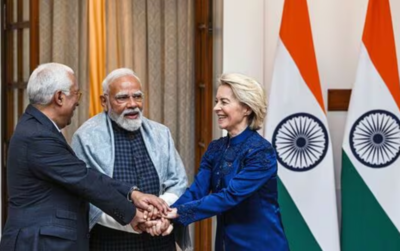
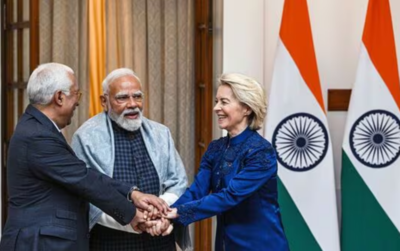
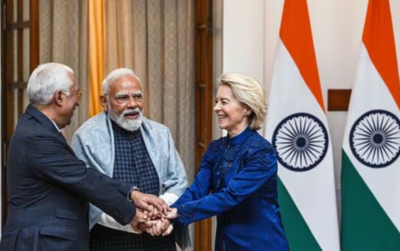
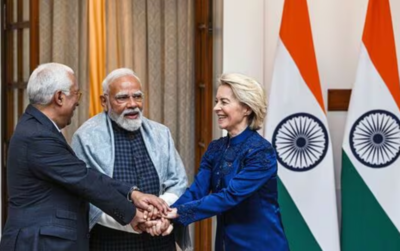
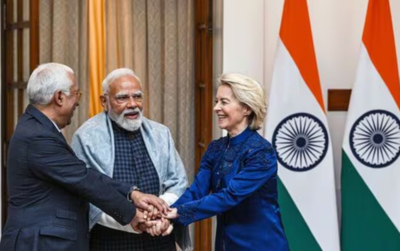
Narendra Modi and European Commission President H.E Ms. Ursula von der Leyen, today jointly announced the conclusion of the India–EU Free Trade Agreement at the 16th India–EU Summit, held during the visit of the European leaders to India. This announcement marks a historic milestone in India–EU economic relations and trade engagement with key global partners.

Did you Know

Image

India–EU Free Trade Agreement Concluded: A Strategic Breakthrough in India’s Global Trade Engagement

The FTA comes after intense negotiations since the re-launch of negotiations in 2022. India and the EU are the 4th and 2nd largest economies, comprising 25% of Global GDP, and account for one third of global trade. India has secured unprecedented market access for more than 99% of Indian exports by trade value to the EU that also bolsters the ‘Make in India’ initiative.

Did you Know

Image

India–EU Free Trade Agreement Concluded: A Strategic Breakthrough in India’s Global Trade Engagement

The European Union is India’s one of the largest trading partner, with bilateral trade in goods and services growing steadily over the years. In 2024–25, India’s bilateral trade in goods with the EU stood at INR 11.5 Lakh Crore (USD 136.54 billion) with exports worth INR 6.4 Lakh Crore (USD 75.85 billion) and imports amounting to INR 5.1 Lakh Crore (USD 60.68 billion).

Did you Know

Image

India–EU Free Trade Agreement Concluded: A Strategic Breakthrough in India’s Global Trade Engagement

The FTA secures expanded and commercially significant commitments from the EU across key sectors of Indian strength, including IT and IT-enabled services, professional services, education, financial services, tourism, construction, and other business sectors.

Did you Know

Image

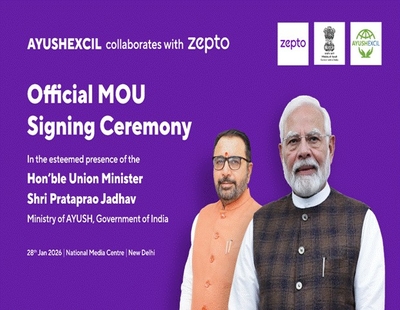
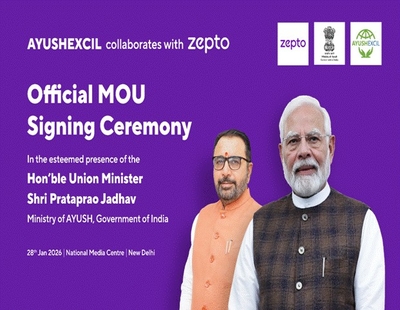
AYUSHEXCIL and Zepto to sign MoU for promoting online access to authentic Ayush products tomorrow in New Delhi

The Ministry of AYUSH will facilitate the signing of a Memorandum of Understanding (MoU) between the Ayush Export Promotion Council (AYUSHEXCIL) and Zepto Limited on 28 January 2026 in New Delhi. The partnership aims to build a structured digital framework for promoting authentic AYUSH medicines and wellness products through verified online channels.

Did you Know

Image

AYUSHEXCIL and Zepto to sign MoU for promoting online access to authentic Ayush products tomorrow in New Delhi

The initiative will empower AYUSH entrepreneurs to tap into India’s rapidly growing digital marketplace while ensuring nationwide consumer access to trustworthy and quality-assured products.The MoU supports the Ministry’s broader vision of positioning AYUSH as a global health and wellness system and aligns with the government’s focus on Digital India, Ease of Doing Business

Did you Know

Image

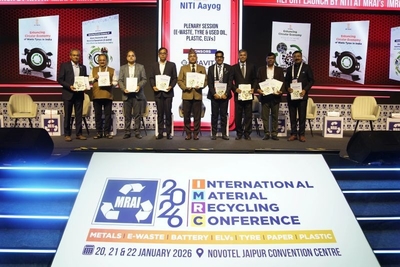
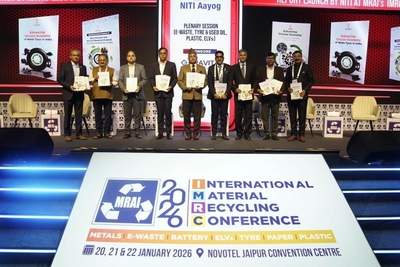
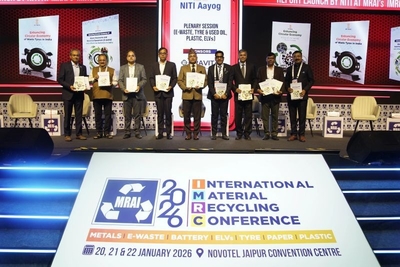
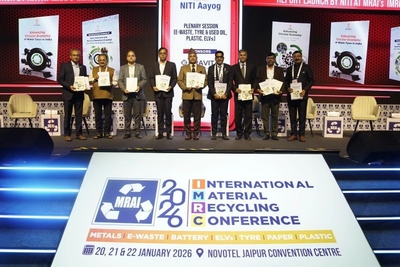
NITI Aayog launched three Reports on "Enhancing Circular Economy in End-of-Life Vehicles (ELVs), Waste Tyres and E-waste

NITI Aayog launched three Reports on "Enhancing Circular Economy in End-of-Life Vehicles (ELVs), Waste Tyres and E-waste and Lithium-ion Batteries in India" on 22 January, 2026 at Material Recycling Association of India (MRAI), International Material Recycling Conference (IMRC) in Jaipur.

Did you Know

Image

NITI Aayog launched three Reports on "Enhancing Circular Economy in End-of-Life Vehicles (ELVs), Waste Tyres and E-waste

These reports analysed challenges in the circular economy ecosystem in India and provided recommendations for infrastructure development, sector formalisation, strengthening the Extended Producer Responsibility (EPR) framework, and enhancing economic potential for revenue generation.

Did you Know

Image

NITI Aayog launched three Reports on "Enhancing Circular Economy in End-of-Life Vehicles (ELVs), Waste Tyres and E-waste

Electronic and electrical equipment, along with Lithium-ion Batteries and automotive vehicles, will play a pivotal role in powering digitalisation, enhancing mobility, and the broader energy transition. Electric vehicle (EV) sales increased from 50,000 in 2016 to 2.08 million in 2024, and the government seeks to attain a 30% share of EVs in total vehicle sales by 2030.

Did you Know

Image

NITI Aayog launched three Reports on "Enhancing Circular Economy in End-of-Life Vehicles (ELVs), Waste Tyres and E-waste

Consequently, demand for Lithium-ion Batteries is projected to surge from 29 GWh in 2025 to 248 GWh by 2035. The number of End-of-Life Vehicles (ELVs) in India is expected to increase from 23 million in 2025 to 50 million by 2030. Also, E-waste is expected to rise from 6.19 MMT in 2024 to 14 MMT by 2030.

Did you Know

Image

India–EU Free Trade Agreement Concluded: A Strategic Breakthrough in India’s Global Trade Engagement

The FTA introduces enhanced cooperation on SPS and TBT matters. It will facilitate recognition of conformity assessment results, enabling equivalence on SPS measures on technical justification and localised responses to pest/ disease outbreaks. Through digitisation, information sharing, and adherence to international standards, the FTA reduces trade barriers.

Did you Know

Image

Adani, Embraer sign MoU to establish aircraft making facility

Brazilian regional aircraft maker Embraer and Adani Defence & Aerospace signed a memorandum of understanding (MoU) to establish an aircraft manufacturing facility. This would be the first commercial aircraft final assembly line (FAL) to be established in India.

Did you Know

Image

Adani, Embraer sign MoU to establish aircraft making facility

In the United States, Embraer operates FALs in Melbourne, Florida, focused on business jets, including the Phenom and Praetor families, and in Jacksonville, Florida, where it has carried out assembly of defence aircraft such as the A-29 Super Tucano.

Did you Know

Image

Adani, Embraer sign MoU to establish aircraft making facility

At present, Star Air is the only airline in India regularly operating Embraer regional aircraft, even as Embraer engages with other carriers such as IndiGo and Air India on potential future sales or fleet decisions. India’s civil aviation market has expanded rapidly, with domestic airlines operating a combined fleet of around 800 aircraft and nearly 1,700 more on order.

Did you Know

Image

RBI outlines resolution framework for loans hit by natural calamities

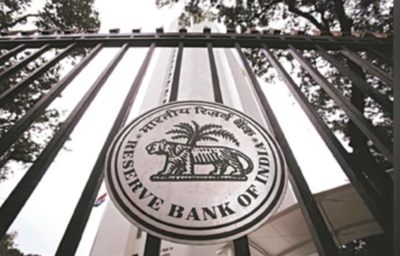
The Reserve Bank of India (RBI) has framed a principle-based resolution regime for borrowers impacted by natural calamities, giving regulated entities (REs) operational flexibility to design and implement relief measures. The framework also factors in decisions of the State Level Bankers’ Committee (SLBC) and District Consultative Committee (DCC).

Did you Know

Image

RBI outlines resolution framework for loans hit by natural calamities

As per the guidelines, exposures affected by a natural calamity and classified as ‘standard’, and not in default for up to 30 days (SMA-0) on the date of the event, will be eligible for relief.It may also include a proposal for sanctioning additional finance to address the financial stress of the borrower, subject to due assessment of the viability prospects of the borrower

Did you Know

Image

RBI outlines resolution framework for loans hit by natural calamities

The resolution plan to be implemented by a bank may include rescheduling of payments; conversion of any interest accrued or to be accrued into another credit facility; granting of a moratorium, etc, based on an assessment of the viability prospects of the borrower. The guidelines will come into force from April 1, 2026.

Did you Know

Image

RBI outlines resolution framework for loans hit by natural calamities

To ensure timely rollout, the central bank has prescribed a dedicated window for invocation of the framework and a separate window for implementation of the resolution plan (RP). Accounts restructured under the relief package will continue to be classified as ‘standard’, with income recognised on an accrual basis.

Did you Know

Image

RBI-ESMA agreement allows CCIL to reapply for latter's recognition

The Clearing Corporation of India (CCIL) will be able to reapply for recognition by the European Union’s financial markets regulator following a pact signed between the Reserve Bank of India (RBI) and the European Securities and Markets Authority (Esma).

Did you Know

Image

RBI-ESMA agreement allows CCIL to reapply for latter's recognition

The impasse between the RBI and the EU regulator began in October 2022, when Esma sought direct audit and inspection rights over CCIL for trades conducted by European banks. The RBI pushed back, making it clear that Esma’s position was “extra-jurisdictional” and made it clear that it would not accede to such demands.

Did you Know

Image

RBI-ESMA agreement allows CCIL to reapply for latter's recognition

In a joint statement issued on Tuesday, the authorities said the Indian central bank and Esma - the EU’s financial markets regulator and supervisor - have signed an agreement to facilitate cooperation and the exchange of information for the recognition of central counterparties (CCPs) established in India and supervised by the RBI.

Did you Know

Image

RBI-ESMA agreement allows CCIL to reapply for latter's recognition

The memorandum of understanding (MoU) was signed by RBI Executive Director Vivek Deep and Esma Chair Verena Ross. The MoU, which replaces an earlier agreement entered into on February 28, 2017, enables the RBI and Esma to cooperate on CCP oversight in line with their respective laws and regulations, the RBI said.

Did you Know

Image

PFRDA launches NPS Swasthya Pension Scheme under regulatory sandbox

The Pension Fund Regulatory and Development Authority (PFRDA) has permitted the introduction of the ‘NPS Swasthya Pension Scheme’ as a proof of concept (PoC) under its Regulatory Sandbox Framework, aimed at integrating health-related benefits within the National Pension System (NPS).

Did you Know

Image

PFRDA launches NPS Swasthya Pension Scheme under regulatory sandbox

The regulator said the pilot is intended to assess the operational, technological and regulatory feasibility of providing financial support for outpatient and inpatient medical expenses through a dedicated pension-linked scheme. Certain provisions of the PFRDA (Exits and Withdrawals under NPS) Regulations, 2015, have been relaxed for the duration of the PoC.

Did you Know

Image

PFRDA launches NPS Swasthya Pension Scheme under regulatory sandbox

The scheme will operate as a sector-specific scheme under the Multiple Scheme Framework (MSF) and will be offered to Indian citizens on a voluntary basis. It will be a contributory pension scheme, governed by the provisions of the PFRDA Act, 2013. The framework also provides for a full premature exit in cases of critical medical treatment.

Did you Know

Image

PFRDA launches NPS Swasthya Pension Scheme under regulatory sandbox

Subscribers will be allowed to make partial withdrawals for medical expenses, with withdrawals capped at 25 per cent of their own contributions at any instance. Notably, there will be no restriction on the number of withdrawals, subject to a minimum accumulated corpus of Rs 50,000 before the first withdrawal.

Did you Know

Image

PFRDA launches NPS Swasthya Pension Scheme under regulatory sandbox

Additionally, subscribers above the age of 40 (excluding government sector subscribers) will be allowed to transfer up to 30 per cent of their contributions from their existing NPS common account to the Swasthya Pension Scheme account. The pilot will be rolled out for a limited period with a restricted number of subscribers.

Did you Know

Image

PFRDA launches NPS Swasthya Pension Scheme under regulatory sandbox

If the scheme is found unviable after the PoC period, subscribers will be given the option to transfer their accumulated corpus back to the common NPS account and exit as per existing rules. Under the pilot, pension funds may launch the scheme after obtaining prior approval from the regulator and may collaborate with fintech firms and health benefit administrators or TPAs

Did you Know

Image

Swiggy enables grocery, food delivery via ChatGPT, other AI tools

Food and grocery delivery firm Swiggy now enables users to shop for groceries, order food, and make dining reservations directly through popular artificial intelligence (AI) tools, including ChatGPT, Claude, and Google Gemini, among others. In its current form, transactions made through AI tools allow only cash on delivery.

Did you Know

Image

Swiggy enables grocery, food delivery via ChatGPT, other AI tools

The company has launched Model Context Protocol (MCP) integrations across various business verticals, covering Swiggy Food, Instamart, and Dineout. MCP functions as a “universal connector” - like a USB-C port - standardising how AI agents interact with application programming interfaces (APIs).

Did you Know

Image

Swiggy enables grocery, food delivery via ChatGPT, other AI tools

Last year, Tata-owned BigBasket also ran a similar pilot, enabling grocery purchases directly within ChatGPT using UPI payments. In this case, the AI agent checks BigBasket’s catalogue, presents product options, and with a single confirmation, places the order via Razorpay’s payments stack.

Did you Know

Image

Bharti AXA Life Insurance launches deferred annuity “Swabhimaan Retirement” plan

Bharti AXA Life Insurance has launched a non-linked, non-participating individual deferred annuity “Swabhimaan Retirement” plan, which will enable customers to plan early and lock in annuity rates at current levels, ensuring guaranteed income for life. The Atmanirbhar option allows customers to withdraw in case of emergency.

Did you Know

Image

Bharti AXA Life Insurance launches deferred annuity “Swabhimaan Retirement” plan

The new plan offers Premium Payment Term (PPT) options of 2, 3 and 5 years under select annuity options, along with deferment options of up to 7 years. It also has an option to withdraw a part of the surrender value, subject to policy terms, once all premiums are paid.


Did you Know

Image

World Bank Approves Rs.5,700 crore for ‘Jal Sanrakshit Haryana Project’

The World Bank has approved technical and financial assistance of Rs 5,700 cr under the 'Jal Sanrakshit Haryana Project', with objective of making the state self-reliant in the water sector. This includes restoration of 115 canals for Rs 2,325 crore with WB financial assistance, 284 canals at Rs 2,230 crore from the state budget, and 279 canals at Rs 2,880 cr through NABARD

Did you Know

Image

World Bank Approves Rs.5,700 crore for ‘Jal Sanrakshit Haryana Project’

In addition, with World Bank support of Rs 900 crore, micro-irrigation systems will be implemented over approximately 70,000 acres of agricultural land. Further, sustainable and water-conservation-based agriculture will be promoted through crop diversification, direct seeding of rice, and other measures. For this, the WB will provide financial assistance of approx Rs.866 cr

Did you Know

Image

World Bank Approves Rs.5,700 crore for ‘Jal Sanrakshit Haryana Project’

In addition, treated water from four major sewage treatment plants located in Jind, Kaithal, and Gurugram will be reused to ensure irrigation for approximately 28,000 acres of agricultural land, for which the World Bank has provided financial assistance of about Rs 600 crore.

Did you Know