
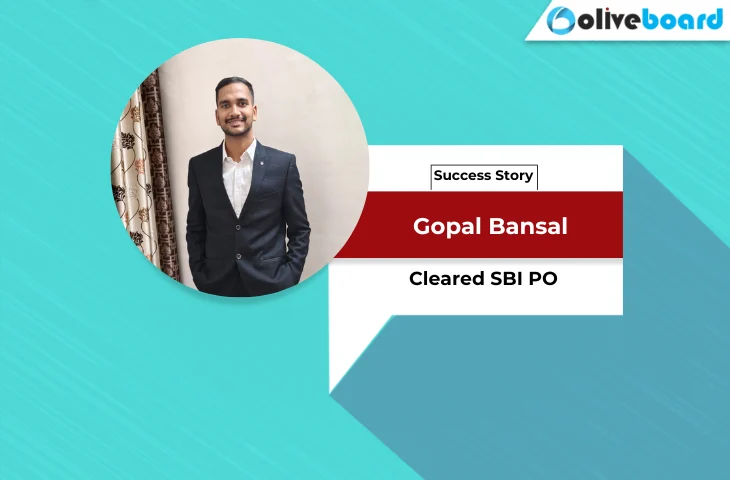
For many banking aspirants, balancing a demanding job with preparation feels impossible. But Gopal Bansal from Barnala, Punjab, proved that consistency can outweigh long study hours.
While serving in Punjab Police, he managed just 3–4 hours of study every day. He had already joined SBI as a Clerk through the waiting list, and soon after, he achieved an even bigger milestone by clearing SBI PO in his very first attempt. His journey shows that disciplined preparation and the right practice strategy can make a significant difference.
Preparing Alongside a Full-Time Job
Gopal began his banking preparation in November 2023 while working in Punjab Police. Instead of waiting for ideal circumstances, he built consistency into his routine and studied whenever he found time after work.
Rather than measuring success by the number of hours studied, he focused on making every study session count. That approach helped him stay on track despite a hectic schedule.
Watch his full interview now:
Turning English Into a Strength
Coming from Punjab, Gopal initially felt that language could become a challenge, especially because banking exams require strong reading skills and later include interviews.
Instead of memorizing endless grammar rules, he followed a simple routine.
- Read editorials every day.
- Focus on vocabulary through regular reading.
- Practice English through mock tests.
One lesson from his journey stands out: reading matters more than rote learning in banking English. According to him, stronger reading habits naturally improve comprehension and scoring ability.
The Role Mock Tests Played
One of Gopal’s biggest turning points came after failing to clear RRB Clerk earlier.
He realized that despite studying, he had skipped mock tests. After receiving recommendations from friends, he started practicing through Oliveboard’s mock tests, which he found close to the actual exam level. More importantly, mocks helped him understand his mistakes and improve consistently.
For him, mock tests were not just practice papers. They became a way to measure progress and identify weak areas before the real exam.
Facing the SBI PO Interview
Many aspirants worry about speaking perfect English during interviews. Gopal’s experience challenged that fear.
He chose a bilingual approach, speaking in both Hindi and English whenever needed. According to him, the interview panel focused more on confidence and clarity than flawless language.
The toughest question he faced was:
“Why do you want to join banking when you’re already working in Punjab Police?”
Although he had prepared for it, he felt he could have answered it better. Looking back, he advises aspirants to prepare such personal questions well in advance because they are commonly asked during interviews.
CTA: Prepare for SBI PO Interview Questions
His Advice for Beginners
Gopal believes that every aspirant should first identify their weakest areas instead of comparing themselves with others.
His preparation principles are simple:
- Stay consistent, even if study hours are limited.
- Read editorials daily.
- Practice mock tests regularly.
- Analyze weak subjects instead of avoiding them.
- Compete only with your previous performance.
He also reminds aspirants that one failed exam does not define their future. He couldn’t clear RRB Clerk earlier, yet later secured SBI PO in his first attempt. That shift happened because he kept improving instead of giving up.
Gopal Bansal’s SBI PO success story is a reminder that consistency often matters more than perfect circumstances. Whether you’re preparing alongside a job or struggling with English, steady improvement through reading, mock tests, and honest self-analysis can help build confidence for every stage of the SBI PO journey.

I started my journey with storytelling and journalism, and somewhere along the way, I discovered how much I truly love writing. Words have always been my way of connecting with people.
With 4+ years of experience in content creation, social media, and video storytelling, I focus on building meaningful conversations, not just posts. I enjoy understanding audiences, planning engaging content, and turning followers into active, connected communities.
At Oliveboard, I work on creating value-driven content that informs, engages, and brings people together.