

Dreaming of a secure government job but confused about which SSC exam to target? You’re not alone. The Staff Selection Commission (SSC) conducts multiple exams each year, offering various entry points into government service but choosing the right one can significantly impact your preparation strategy and career trajectory.
In this comprehensive comparison, we’ll analyze three popular SSC exams: Combined Graduate Level (CGL), Combined Higher Secondary Level (CHSL), and Multi-Tasking Staff (MTS). By the end of this article, you’ll have clarity on which path aligns best with your qualifications, career aspirations, and preparation level.
What is the basic difference between SSC CGL, SSC CHSL and SSC MTS Exam?
The Staff Selection Commission conducts these three major exams every year. While SSC CGL Exam is for graduate-level candidates, SSC CHSL Exam is meant for those with a higher secondary qualification, and SSC MTS Exam is open to matriculation pass candidates. The table below gives you a quick glance at their differences:
| Parameter | SSC CGL | SSC CHSL | SSC MTS |
| Educational Qualification | Bachelor’s Degree | 12th Pass (10+2) | 10th Pass |
| Age Limit | 18-32 years | 18-27 years | 18-27 years |
| Exam Levels | 2 Tiers | 2 Tiers | 1 Papers with Physical Test for Havaldar Post |
| Pay Scale | Level 4-7 (₹ 44900 to 142400) | Level 2 – 4 (Rs. 25,500-81,100) | Level 1 (₹18,000-56,900) |
| Starting Salary | Varies as per post | Varies as per post | ₹18,000-25,000 |
| Selection Ratio | 1:100+ | 1:80+ | 1:50+ |
| Job Profile | Officer/Inspector Level | Clerical/Assistant Level | Support Staff Level |
SSC CGL Eligibility vs SSC CHSL Eligibility vs SSC MTS Eligibility
The SSC CGL Eligibility require a graduation degree from a recognized university, while SSC CHSL Eligibility criteria mandate completion of 10+2 or equivalent. On the other hand, SSC MTS Eligibility criteria are relatively simpler, requiring candidates to have passed Class 10 from a recognized board.
| Exam | Age Limit | Educational Qualification | Nationality |
| SSC CGL | 18–32 years | Bachelor’s degree in any discipline | Indian |
| SSC CHSL | 18–27 years | 12th pass / 10+2 from a recognized board | Indian |
| SSC MTS | 18–27 years | 10th pass / Matriculation from a recognized board | Indian |
The educational requirements create a clear hierarchy, with SSC CGL requiring the highest qualification and SSC MTS the lowest. This makes each exam accessible to different segments of job seekers based on their educational background.
What is the Selection Process for SSC CGL Vs SSC CHSL Vs SSC MTS Exams?
The SSC CGL Selection Process includes Tier 1, Tier 2, document verification, and medical examination, making it more comprehensive and challenging. The SSC CHSL Selection Process involves Tier 1, Tier 2 (descriptive), and a skill/typing test. Meanwhile, the SSC MTS selection process is relatively simpler, consisting of a single-tier CBT followed by a physical test (for Havaldar posts) and document verification.
| Exam | Selection Stages |
| SSC CGL | Tier 1 (Objective), Tier 2 (Objective), Document Verification, Medical Exam |
| SSC CHSL | Tier 1 (Objective), Tier 2 (Typing/DEST), Document Verification |
| SSC MTS | Tier 1 (Objective), PET/PST (for Havaldar posts), Document Verification |
SSC CGL Exam Pattern Vs SSC CHSL Exam Pattern Vs SSC MTS Exam Pattern
The SSC CGL Exam Pattern for Tier 1 is designed at a graduate level and includes higher difficulty in Quantitative Aptitude and Reasoning. The SSC CHSL Exam Pattern is of 10+2 level, moderately challenging, especially in English and General Awareness. In contrast, the SSC MTS Exam Pattern is relatively simpler, matching the matriculation level, and is ideal for those aiming to start a government job early.
| Tier | Mode | Section / Paper | Questions | Marks | Duration | Negative Marking |
| Tier I | Computer Based Test | General Intelligence & Reasoning | 25 | 50 | 60 minutes | 0.50 marks |
| Tier I | Computer Based Test | General Awareness | 25 | 50 | 60 minutes | 0.50 marks |
| Tier I | Computer Based Test | Quantitative Aptitude | 25 | 50 | 60 minutes | 0.50 marks |
| Tier I | Computer Based Test | English Comprehension | 25 | 50 | 60 minutes | 0.50 marks |
| Tier I Total | 100 | 200 | 60 minutes |
The difficulty level increases from SSC MTS (simplest) to CGL (most difficult), with CGL having specialized papers for different posts and the most rigorous testing structure.
Posts Provided: Where will you work?
When deciding between SSC CGL, CHSL, and MTS, it’s important to consider the type of post each exam offers. From high-ranking officer and inspector roles in CGL to clerical and assistant-level roles in CHSL, and essential support staff roles in MTS each exam leads to different work environments and responsibilities. The details of the posts are as follows:
| Exam | Posts |
| SSC CGL | Assistant Section Officer |
| Assistant / Superintendent | |
| Inspector – Central Excise / Income Tax / Preventive Officer / Examiner | |
| Sub-Inspector | |
| Junior Statistical Officer | |
| Divisional Accountant | |
| Tax Assistant | |
| Compiler | |
| SSC CHSL | Lower Divisional Clerk (LDC) |
| Junior Secretariat Assistant (JSA) | |
| Postal Assistant (PA) | |
| Sorting Assistant (SA) | |
| Data Entry Operator (DEO) | |
| SSC MTS | Multi-Tasking Staff (MTS) |
| Havaldar | |
| Safaiwala | |
| Peon | |
| Office Attendant |
The posts show the hierarchical nature of these exams, with SSC CGL offering officer/inspector level positions, SSC CHSL offering clerical/assistant level roles, and SSC MTS offering support staff positions.
SSC CGL Salary Vs SSC CHSL Salary Vs SSC MTS Salary
The SSC CGL Salary is the highest among the three, with pay levels ranging from Level 4 to Level 8 and basic pay starting at ₹25,500, going up to ₹1,42,400 depending on the post. The SSC CHSL Salary falls under Level 2 to Level 4 with basic pay starting at ₹19,900, while the SSC MTS Salary is at Level 1 with a starting basic pay of ₹18,000. Each also comes with perks like DA, HRA, and other allowances, making them attractive options based on qualifications and preferences.
| Exam | Pay Scale | Gross Salary | Perks |
| SSC CGL | Level 4–7: ₹44,900 to ₹1,42,400, depending on post | Approximately ₹47,801–₹79,987 per month, including allowances | Housing allowance, medical benefits, pension, leave travel concession |
| SSC CHSL | Level 2–4: ₹25,500 to ₹81,100 | Approximately ₹33,092–₹48,688 per month, including allowances | Housing allowance, medical benefits, pension, leave travel concession |
| SSC MTS | Level 1: ₹18,000 to ₹56,900 | Approximately ₹27,206–₹31,256 per month, including allowances | Housing allowance, medical benefits, pension, leave travel concession |
The salary difference varies a lot, with CGL officers earning significantly more than CHSL clerks, who in turn earn more than MTS staff. However, all three provide the stability and benefits typical of government employment.
Job Profile and Responsibilities Comparison
Beyond salary and position titles, it’s crucial to understand the day-to-day duties you’ll be expected to handle. The nature of responsibilities varies widely from managerial and audit roles in SSC CGL, to data entry and clerical work in CHSL, and logistical support tasks in MTS. Further details of the job profile for each post are as follows:
| Exam | Job Responsibilities |
| SSC CGL | Supervisory and officer-level responsibilities |
| Financial auditing and accounting for specific posts | |
| Tax assessment and collection | |
| Investigation and enforcement | |
| Statistical analysis and data management | |
| Administrative and managerial functions | |
| Policy implementation | |
| SSC CHSL | Clerical and administrative support |
| Data entry and record keeping | |
| Document processing and verification | |
| Customer service at government offices | |
| Mail sorting and processing for Postal Assistants | |
| Office correspondence management | |
| SSC MTS | Basic support functions |
| File movement and delivery | |
| Photocopying and document handling | |
| Office maintenance assistance | |
| Basic clerical support | |
| Physical maintenance tasks |
The nature of work varies significantly, with CGL positions involving decision-making and supervisory roles, CHSL positions focusing on procedural and clerical tasks, and MTS positions centered on support functions.
Career Growth Comparison
Each SSC exam provides a different career growth. While CGL posts often come with structured promotion paths and leadership roles, CHSL and MTS also provides internal growth through experience and departmental exams.
| Exam | Career Growth |
| SSC CGL | Excellent growth prospects |
| Time-bound promotions with additional departmental exams | |
| Can reach senior administrative positions | |
| Opportunity to specialize in specific domains such as tax, audit, etc. | |
| Potential for lateral movement between departments | |
| SSC CHSL | Good growth prospects |
| Promotion to Upper Division Clerk after 5–8 years | |
| Can reach supervisory positions over time | |
| Opportunity to appear for departmental exams for faster promotion | |
| Can apply for higher posts through SSC CGL after gaining experience | |
| SSC MTS | Limited vertical growth prospects |
| Mostly time-bound promotions | |
| Can reach clerical positions after substantial experience | |
| Opportunity to appear for higher exams like CHSL after gaining experience | |
| Primarily horizontal movement within the organization |
The career trajectory is most promising for CGL officers, followed by CHSL clerks, while MTS positions have more limited vertical growth opportunities.
Difficulty Level and Competition
Before choosing an SSC exam, it’s essential to evaluate how tough it is to crack. The competition, exam pattern complexity, and subject depth vary significantly among CGL, CHSL, and MTS. The details about the exam difficulty, level of competition are as follows:
| Exam | Difficulty Level |
| SSC CGL | Most difficult among the three |
| Highly competitive, with around 1:100+ selection ratio | |
| Comprehensive testing across multiple subjects | |
| Specialized papers for different posts | |
| Requires in-depth knowledge and analytical skills | |
| SSC CHSL | Moderately difficult |
| Very competitive, with around 1:80+ selection ratio | |
| Similar to CGL Tier I but with a simpler overall structure | |
| Descriptive paper is less demanding than CGL | |
| Focuses on basic aptitude and language skills | |
| SSC MTS | Relatively easier |
| Still competitive, with around 1:50+ selection ratio | |
| Simplest exam structure | |
| Basic-level questions | |
| Shorter descriptive component |
At Oliveboard, our analysis of previous years’ cutoffs and selection ratios indicates that while MTS has the lowest difficulty level, competition remains significant due to the large number of applicants with minimum qualifications.
Preparation Time Required: How Long Should You Study?
The amount of time you need to prepare effectively depends on both the exam level and your current academic foundation. SSC CGL demands a longer preparation period due to its difficulty, while CHSL and MTS are relatively quicker to prepare for. The details of the required preparation time are as follows:
| Exam | Preparation Strategy |
| SSC CGL | Recommended preparation time: 8–12 months |
| Requires in-depth understanding of multiple subjects | |
| Need for specialized preparation for Tier II papers | |
| Descriptive writing practice is essential | |
| Skill test preparation may be needed | |
| SSC CHSL | Recommended preparation time: 6–8 months |
| Focus on building strong fundamentals | |
| Regular practice for speed and accuracy | |
| Typing skills development, if required for the post | |
| Descriptive writing practice | |
| SSC MTS | Recommended preparation time: 3–6 months |
| Emphasis on basic concepts and fundamentals | |
| Regular practice with previous year questions | |
| Focus on speed and accuracy | |
| Basic descriptive writing practice |
Which exam should you choose?
With several SSC exams to choose from, selecting the most suitable one can be a challenging decision. The ideal exam for you will depend on multiple factors, including your educational qualifications, long-term career objectives, preferred job role, and the amount of time you can dedicate to preparation.
| Choose Exam | Suitable For |
| Choose SSC CGL if: | You have a bachelor’s degree |
| You aspire for officer-level positions with higher responsibility | |
| You want the highest possible salary among these three exams | |
| You are willing to invest 8–12 months in preparation | |
| You have strong analytical and reasoning skills | |
| You are looking for diverse career opportunities across government departments | |
| Choose SSC CHSL if: | You have completed 12th standard but may not have a degree |
| You are looking for clerical or assistant positions with decent pay | |
| You prefer a slightly less competitive exam than CGL | |
| You can dedicate 6–8 months to preparation | |
| You have good typing skills or are willing to develop them | |
| You are interested in office-based administrative work | |
| Choose SSC MTS if: | You have completed 10th standard |
| You are looking for an entry-level government position | |
| You want the quickest entry into government service | |
| You can prepare for 3–6 months | |
| You are comfortable with support staff roles | |
| You plan to use this as a stepping stone while pursuing further education |
FAQs
The best exam depends on your qualification and career goals. SSC CGL is ideal for graduates seeking officer-level posts, SSC CHSL is for 12th-pass candidates aiming for clerical roles, and SSC MTS suits 10th-pass aspirants looking for stable Group C jobs.
SSC CGL Eligibility – Graduation in any stream.
SSC CHSL Eligibility – 12th Pass from a recognized board.
SSC MTS Eligibility – 10th Pass (Matriculation).
SSC CGL is the most competitive due to high-level officer posts. SSC CHSL is moderately competitive, while SSC MTS has relatively lower competition.
SSC CGL offers the highest salary (₹44,000 – ₹90,000), followed by SSC CHSL (₹30,000 – ₹40,000), and SSC MTS (₹22,000 – ₹28,000) depending on the pay level and post.
All three have Tier 1 CBTs, but SSC CGL and CHSL have additional tiers. CGL has Tier 2 with multiple papers including DEST, CHSL has a Typing/Skill Test, and MTS includes a PET/PST for Havaldar posts.
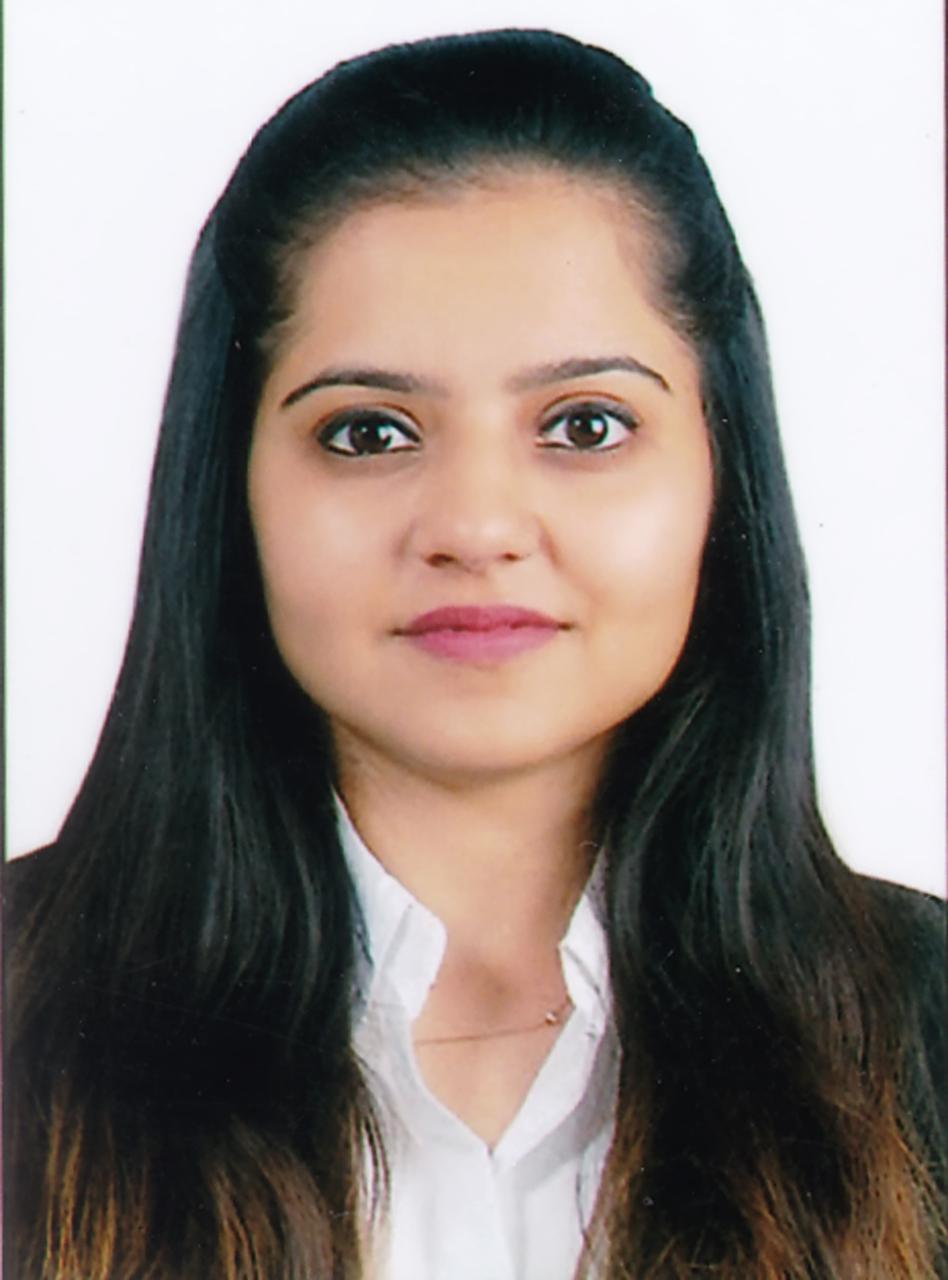
I’m Mahima Khurana, a writer with a strong passion for creating meaningful, learner-focused content especially in the field of competitive exam preparation. From authoring books and developing thousands of practice questions to crafting articles and study material, I specialize in transforming complex exam-related topics into clear, engaging, and accessible content. I have first hand experience of 5+ months in SSC Exams. Writing, for me, is not just a skill but a way to support and guide aspirants through their preparation journey one well-written explanation at a time.