
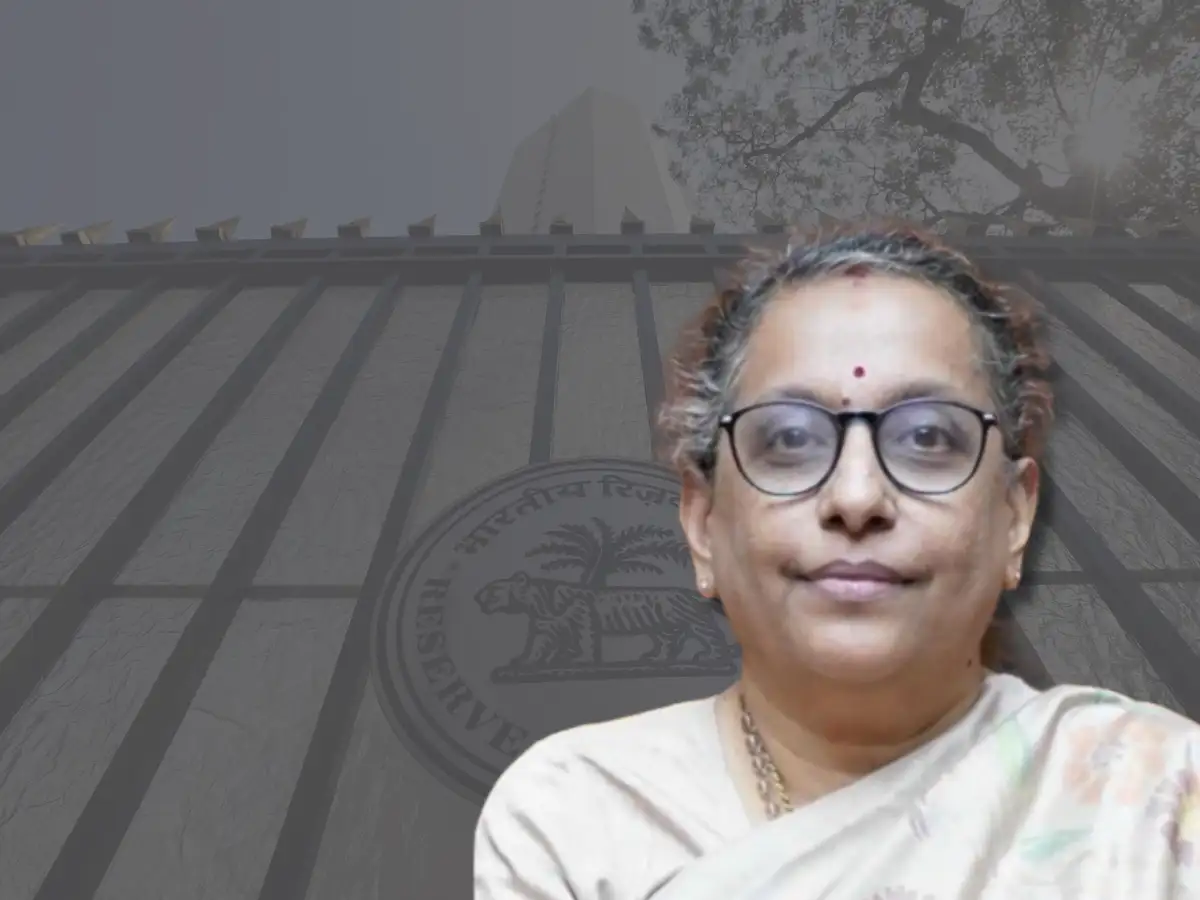
The Reserve Bank of India (RBI) has appointed Usha Janakiraman as its new Executive Director (ED), effective 1 December 2025. This move strengthens RBI’s leadership and emphasizes risk management and financial stability in India’s banking sector.
Who Is Usha Janakiraman – RBI’s New Executive Director?
Usha Janakiraman is a highly experienced central banker with over 30 years of service at RBI. She is a chartered accountant and has handled critical areas such as banking regulation, public debt management, currency operations, and key policy roles. Before becoming Executive Director, she served as the Chief General Manager-in-Charge in RBI’s Department of Regulation at the Central Office in Mumbai, where she focused on creating frameworks to ensure safe and responsible banking practices.
What does an RBI executive director do?
As Executive Director of RBI, Usha Janakiraman will head the Department of Supervision – Risk, Analytics, and Vulnerability Assessment (RAVA). The main responsibilities of an RBI Executive Director include:
- Monitoring risks across banks and financial institutions
- Using analytics and data-driven tools to detect early warning signs of stress
- Strengthening RBI’s early-warning and surveillance systems
- Improving supervision to prevent financial crises
In simple terms, an RBI Executive Director ensures that banks operate safely, identifies potential risks early, and helps RBI take timely corrective actions.
Why is Usha Janakiraman’s appointment important for RBI?
Usha Janakiraman’s appointment is significant because it brings experienced leadership to RBI at a time when India’s banking and fintech sectors are rapidly evolving. Key reasons why this appointment matters:
How Will Usha Janakiraman Strengthen Risk Management in RBI?
With the rise of digital lending, NBFCs, and fintech partnerships, new financial risks are emerging. Her role will focus on identifying, monitoring, and mitigating these risks to maintain stability in the banking sector.
How will RBI Benefit from Data-Driven Supervision Under Her Leadership?
RBI is increasingly shifting from traditional supervision to analytics-led monitoring. Usha Janakiraman’s experience will help modernize processes, using data and technology to detect vulnerabilities early and improve decision-making.
How does Usha Janakiraman’s experience ensure leadership continuity in RBI?
Having worked across multiple departments in RBI, she brings institutional knowledge and expertise that ensures stability, smooth decision-making, and strong governance at the senior leadership level.
What will this appointment mean for India’s banking sector?
Banks in India can expect:
- Closer oversight and supervision by RBI
- Data-backed reviews for risk assessment
- Enforcement of stronger governance and compliance standards
- Early identification of vulnerabilities to prevent financial instability
Her appointment signals RBI’s continued focus on building a resilient and well-governed financial system.
What Challenges Will Usha Janakiraman Face as RBI Executive Director?
The financial sector faces challenges such as increasing digital transactions, fintech disruptions, global market volatility, and evolving risks from NBFCs. Successfully balancing innovation with risk management will be crucial for her leadership.
Why should the Public Care About Usha Janakiraman’s Appointment at RBI?
Strong supervision by RBI ensures banks remain financially sound, which protects depositors’ savings and strengthens public trust in the banking system. A stable banking environment benefits the overall economy.
Key Takeaways
- Usha Janakiraman brings 30+ years of RBI experience and is a chartered accountant.
- She will lead RBI’s Department of Supervision – Risk, Analytics, and Vulnerability Assessment (RAVA).
- Her role focuses on monitoring banking risks and spotting early signs of financial stress.
- Supports RBI’s shift to data-driven, analytics-based supervision.
- Ensures leadership continuity and strong governance at RBI.
- Strengthens oversight for a more resilient and stable Indian banking system.
FAQs
1. Who is Usha Janakiraman?
Usha Janakiraman is a senior central banker with over 30 years of experience at RBI and is a qualified Chartered Accountant. She has handled key areas such as banking regulation, public debt management, and policy administration.
2. What is the role of an RBI Executive Director?
An RBI Executive Director leads critical departments like supervision, risk management, and analytics. They monitor banking risks, ensure compliance, and help prevent financial instability.
3. Which department will Usha Janakiraman lead at RBI?
She will head the Department of Supervision – Risk, Analytics, and Vulnerability Assessment (RAVA), responsible for monitoring risks across banks and strengthening early-warning systems.
4. Why is Usha Janakiraman’s appointment important for India’s banking sector?
Her appointment enhances risk monitoring, promotes data-driven supervision, ensures leadership continuity, and strengthens governance, contributing to a more stable financial system.
5. How will this appointment impact banks and customers in India?
Banks can expect closer oversight and compliance checks, while customers benefit from a safer, more resilient banking system that protects savings and reduces financial risks.
- SBI CBO General Economy FREE QUIZ, Get FREE PDF
- NABARD DA vs IDBI JAM 2026: Eligibility, Salary & Career
- SBI Clerk Mains Answer Key 2025-26 Out, Response Sheet Download
- Vocab Quiz for Bank, SSC & Railway Exams, Free PDF with Live Quiz
- SBI CBO Shift Timings 2026, Exam Centre List, and Instructions
- Monthly Current Affairs 2026 PDF For SSC, Banking, Railways

Hi, I’m Tripti, a senior content writer at Oliveboard, where I manage blog content along with community engagement across platforms like Telegram and WhatsApp. With 3+ years of experience in content and SEO optimization related to banking exams, I have led content for popular exams like SSC, banking, railway, and state exams.